Home Page

Recall Reality: The Hidden Gamble in Your Vitamin Cabinet

Dietary supplements are widely used by breastfeeding women, yet many lack proven safety, efficacy, and consistent quality due to limited regulatory oversight. Variability in product content, misleading labeling, and reactive (rather than proactive) FDA oversight mean that consumers may unknowingly be exposed to ineffective or even harmful products. While third-party certification can help mitigate some risk, supplement use in lactation should be approached with caution, as product safety cannot be assumed based on labeling or “natural” claims alone.
What Breastfeeding Moms Need to Know About Tirzepatide
Current evidence suggests that tirzepatide does not meaningfully transfer into breast milk. The larger concern during breastfeeding is not drug exposure, but reduced calorie and nutrient intake due to...
Platelet-Rich Plasma (PRP) Treatments and Breastfeeding
PRP is a minimally invasive treatment that harnesses your body’s own healing mechanisms to rejuvenate skin and stimulate hair growth. For breastfeeding mothers, current evidence is highly reassuring: ...
How to Report Infant Medication Side Effects from Breastfeeding
If you notice changes in your baby while breastfeeding on medication—even something as small as fussiness or diarrhea—it may be worth reporting. Many parents don’t realize that these experiences can b...

Research


Every year, the InfantRisk Center publishes studies on the transfer of various drugs into breast milk. We invite you to review these studies and consider participating in one of them. Participation is simple: you will need to collect samples of your breast milk at regular intervals, freeze them, and send them to our laboratories using prepaid overnight mailing. Your involvement will greatly contribute to our research and help ensure the safety of medications for breastfeeding mothers.


 

Participate in Research

Covid-19 in Breastmilk. Seems not to be infectious.

Everyone has been concerned about the presence of Covid-19 in human milk.  Several other studies as well as this one have found Covid-19 in human milk.  This is the first article I've seen that also ...

Fish Oil Supplementation during Pregnancy and Lactation

​​​​​​​Fatty fish, like anchovies or salmon, is an excellent source of essential fatty acids. These fatty acids, particularly DHA, are necessary for retinal and brain development. Mothers who eat plen...

Introducing Complementary (Solid) Foods

It is recommended by the American Academy of Pediatrics that babies be breastfed exclusively until about 6 months. At 6 months, a baby’s needs, particularly for certain micronutrients, exceed what can...

Infant Taste Preference Influenced in Utero and During Breastfeeding

Many parents would like their children to develop taste preferences for a wide variety of foods, particularly healthy foods like vegetables. Food taste and flavor play a large role in food choices and...

Monoclonal Antibody Drugs in Breastfeeding Moms

Monoclonal antibodies are molecules created in a lab to function like antibodies of the immune system and are important in the treatment of organ transplant, chronic inflammatory diseases like rheumat...

Clomiphene and Breastfeeding

Clomiphene is a common drug that women use to help stimulate ovulation.  Clomiphene increases the chance that eggs will be released from a woman’s ovaries by stimulating the secretion of several hormo...

Is Ketamine Safe to Use for Depression During Pregnancy?

The fast-acting nasal spray esketamine, marketed as SpravatoTM, was recently approved by the Food and Drug Administration (FDA) to treat depression in individuals whose depression has been resistant t...

Cold and Flu Medications While Breastfeeding

As cold and flu season swings into full effect, runny noses, coughing, and body aches leave many breastfeeding mothers wondering whether some quick relief from over-the-counter medications could negat...

Whats New about Zika Virus Infections in Breastfeeding Moms

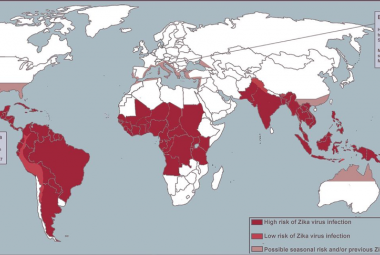
Zika virus is a flavivirus transmitted by the Aedes mosquitoes. Only 20% of adults infected will have clinical manifestations such as low-grade fevers, itchy rash, joint pain in the hands and feet, an...